Photo: Matt.Ve, Wikimedia Commons, CC BY-SA 4.0
A freezer set to 100°C
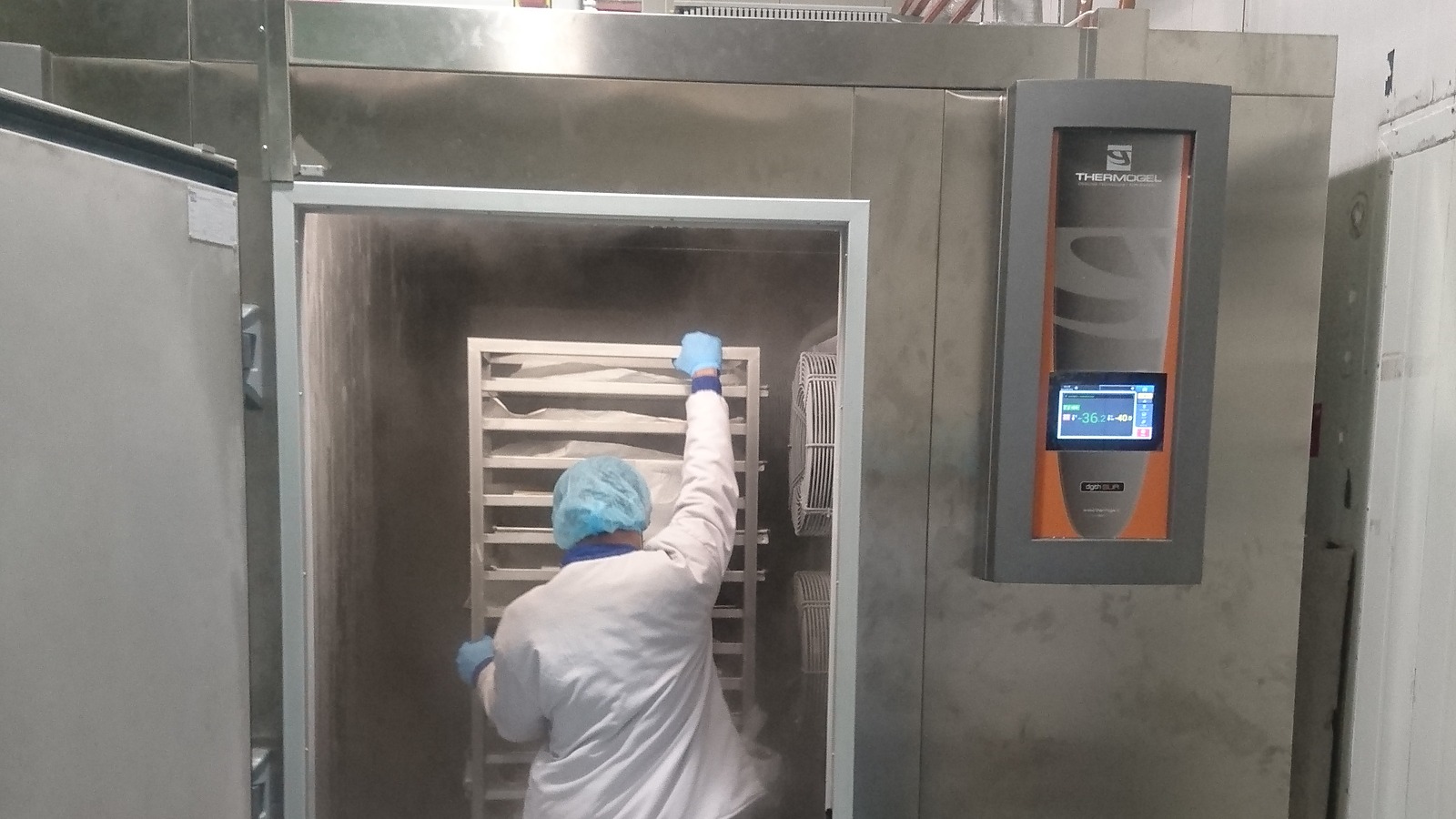
On 26 November, someone remotely got into the system that runs the cold rooms at Salamerija Alpija, a salami plant in Tolmin, Slovenia. They changed a setting, causing a freezer chamber to increase its temperature to 100°C. When the service technician tried to log in, he was locked out and saw a photo of an Italian politician on the screen. 24ur
Nothing actually reached 100°C, because the incident was detected and remediated before damage could be caused. An employee spotted it around midday during a check, and the plant's director says about €250,000 of stock was at risk and none spoiled. Red Tiger Security
So it’s a non-event, right? No. There’s a lot we can learn from this, principally two key points:
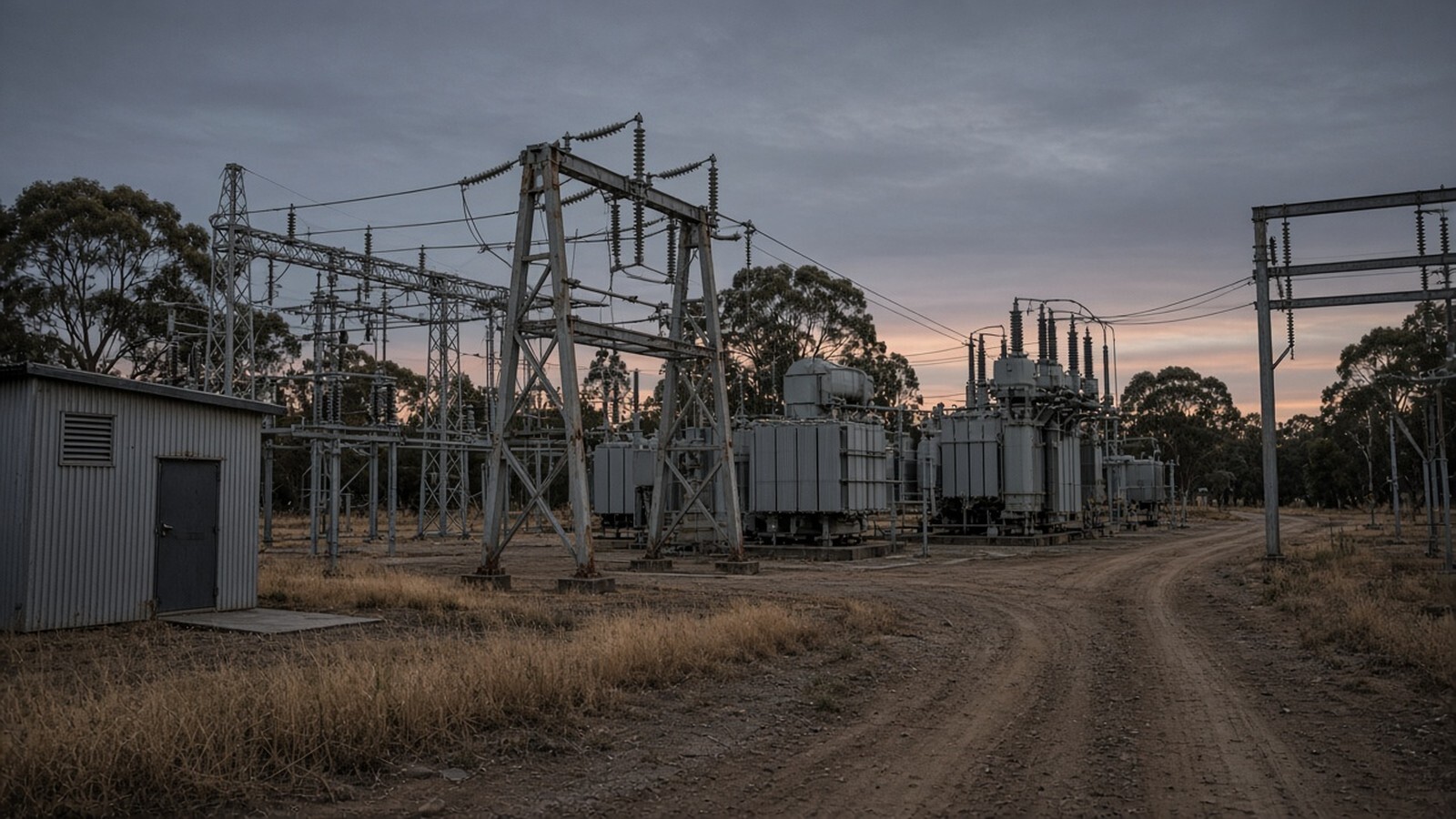
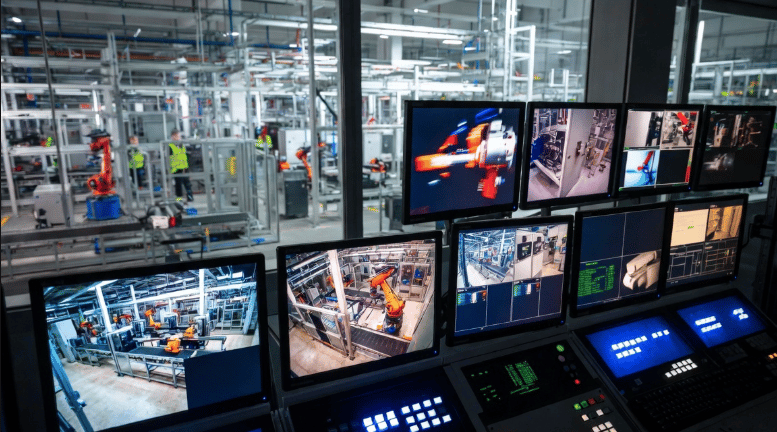
- Any connected device that involves a physical process needs to be protected from potential cyberattack. This includes traditional OT devices like PLCs and RTUs, as well as IoT devices like CCTV cameras, industrial sensors, and smart refrigerators (a core piece of infrastructure for any food business).
- The most critical systems for an operation will vary and depend on the nature of your business. A printer in the office probably won’t be critical infrastructure if you’re making fertiliser and explosives, but if it’s printing export control and batch labels in the factory before goods go out, it’s a completely different story.
This is the same pattern as the smart fridge attacks in France
The media labels these smart fridge attacks, but there’s a bigger picture that’s easy to see. On 11 to 12 October, a campaign hit the refrigeration controls of more than 700 French retail sites, causing fires and food losses France put at tens of millions of euros. France has since attributed it to an Iranian IRGC-linked unit. France Diplomatie In early November, stores in seven European countries were hit, in what the manufacturer Sabcobel believes was the same defrost method. BBC
The fact that it’s a smart fridge is beside the point. Protecting your infrastructure from cyberattack is less about what kinds of devices you have, and more about analysing what runs your core business processes and protecting the critical processes that would cause the most damage if they were to be disrupted.
What we can learn
You can’t just isolate modern systems from the outside world. Early on, some commentators without domain-specific knowledge in OT asked why these systems weren’t “air-gapped”. While well-meaning, this approach is not practical in the modern world of automated and highly connected systems, which are integrated upstream and downstream as part of an overall supply chain. Safe connectivity is required.
Asset ownership needs to be clear. After the French attack, one retailer said the refrigeration was managed by its supplier, so filing the complaint was the supplier's job. Danfoss said most affected units were end-of-life, with support for one model ended in 2021. SecurityWeek These questions are important to get answers to before your processes are disrupted.
You need a detection and response capability: If you will only detect an incident when an operator notices a critical process is disrupted, it’s too late. Fortunately there are a range of tools (Claroty, Nozomi, Dragos, Armis) that, when appropriately configured, will alert on indicators of compromise, and also give the ability to identify key exposures such as ungated external connectivity, plaintext/default credentials, and end-of-life devices.
All connected systems are a target. A US government fact sheet on 5 November warned of actors forcing refrigeration controllers into continuous heating, with fire hazard, inventory loss and a "denial-of-view" condition, where you lose sight of the temperatures. CISA/FBI/HHS/USDA/DoT This is why, when I’m deploying a solution into a client’s environment, I make sure we capture all devices on the network. A modern CCTV camera is a dual-core computer with 8GB of RAM. Don’t let a critical vulnerability in an end-of-life camera become the backdoor into your critical processes.
Do this month
You don't need a programme for these.
- Find every remote-reachable controller. Refrigeration, HVAC, building plant, anything a contractor connected through their own modem. Write down who can log in, from where, and what firmware it runs. The inventory is the control everything else depends on.
- Take them off the open internet. CISA's first ask is no public exposure, with remote access through a firewall or edge device that's kept up to date, and a dedicated OT VLAN. CISA For end-of-life kit, CERT-FR said a factory reset isn't enough if it stays exposed. SecurityWeek The only thing an air gap strategy will give you is a false sense of security.
- Own the vendor's remote access. Decide who approves a session, how it's logged, and how you cut it off. If you can't answer, it's their door, not yours. CISA published a critical Danfoss controller advisory on 24 November (CVE-2026-129713, CVSS 9.8, unauthenticated, with the fix still to come), which is a good prompt to check. CISA
- Alarm on process changes. Unless the attacker has physical access to the system settings, you’ll see the process changes as a command that travels across the wire.
- Rehearse the manual fallback. Slovenia disconnected the whole fleet, set temperatures by hand and added in-person checks. Practise that before you need it. Can you restart safely, who decides, and who's on call at 2am on a Sunday? A simple 1-hour tabletop exercise can go a long way to confirm who calls whom, and what processes need to be documented.
I keep coming back to one rule: make it safe before you act, so you don't make the problem worse. That only works if the plant lead and the security team have already met.
Conclusion
The point is not about protecting smart fridges. It’s about understanding what critical processes your business relies on for whatever it does, how these systems are connected, and paying focused, practical attention to the handful of things that will make a difference (fixing default credentials, prioritising refresh of end-of-life devices, hardening network connectivity, and monitoring for potential intrusions within OT).
If you are a cyber leader, you can kick off a positive working relationship with your OT counterparts by asking them to show you what the critical processes are, what the worst-case scenario of a cyberattack would be to them, and work together to de-risk the environment and prepare to detect and respond to potential incidents fast enough to prevent a safety or production incident. If you’re a plant manager, invite your cyber team for a site tour and show them your world - that’s where your company makes its money, so they need to learn about it!
The overall job is a long-term journey, but the start is simple - working together and focusing on the basics first.
Sources
- Salamerija Alpija incident, 24ur.com (primary, director's account), 26 Nov 2026
- Red Tiger Security summary, 27 Nov 2026
- France Diplomatie attribution to Iran (Shahid Kaveh), 10 Nov 2026
- BBC, shop freezers in seven European countries, 2 Nov 2026
- SecurityWeek, Copeland/Dixell widening, 15 Oct 2026 (CERT-FR, Danfoss, Censys, Le Monde and Bloomberg via SecurityWeek)
- CISA/FBI/HHS/USDA/DoT fact sheet, 5 Nov 2026
- CISA ICSA-26-328-03 Danfoss AK-SM 8xxA, 24 Nov 2026